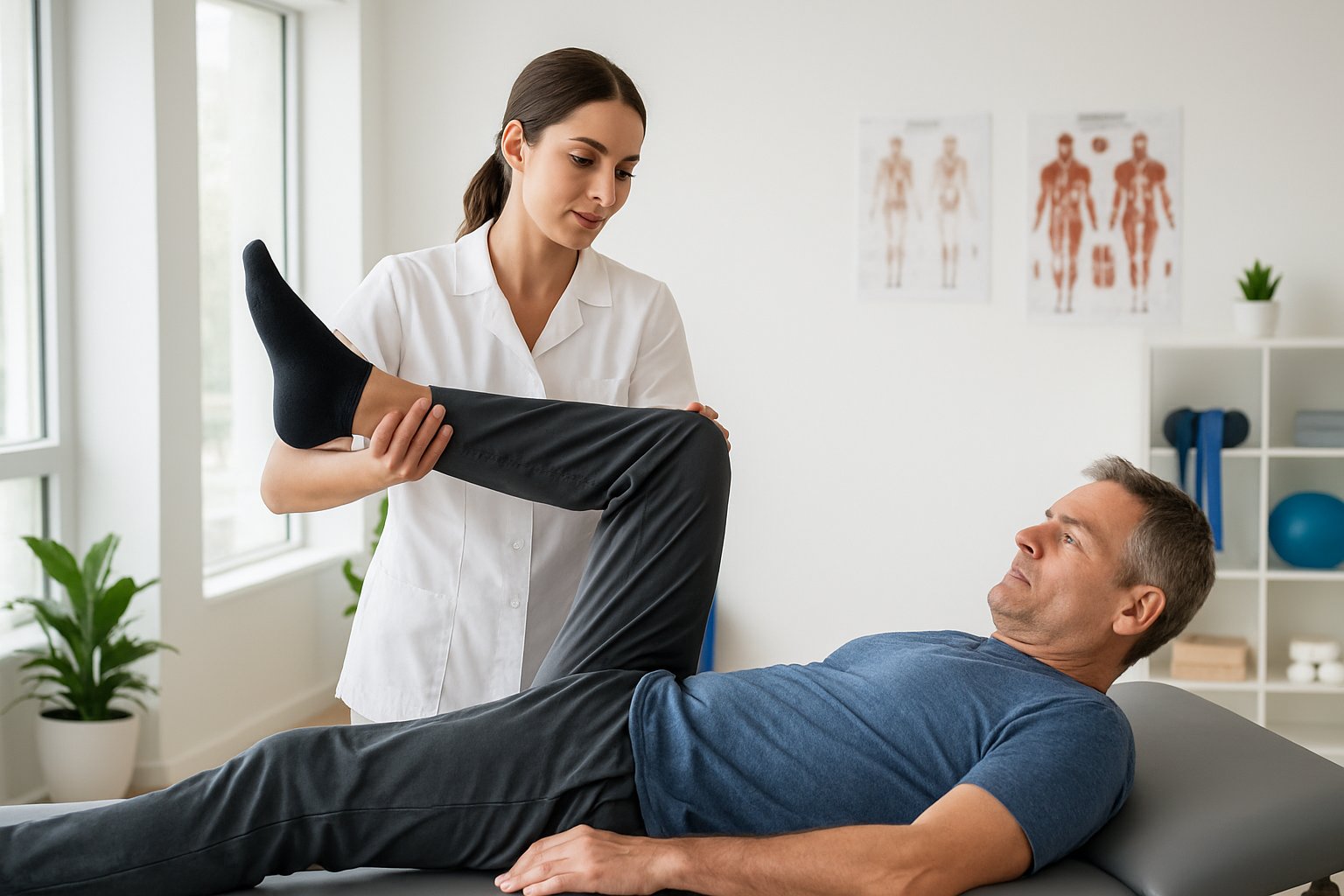
A Physiotherapy Primer
Physiotherapy: Your Guide to Treatment, Benefits, and Access
When I first came across physiotherapy, I realized it’s so much more than just exercises and stretches. Physiotherapy is a healthcare treatment that restores movement, reduces pain, and helps people regain physical abilities after injury, surgery, or illness.
This specialized field combines hands-on techniques with customized exercise programs. It’s all about getting your body back on track—whatever that means for you.
I’ve seen how physiotherapy helps restore mobility and function for all sorts of conditions—back pain, sports injuries, or recovery after a stroke or surgery. The approach digs deeper than just treating symptoms by tackling the root causes of movement problems.
Whether you’re dealing with chronic pain, getting over an accident, or handling a long-term condition, physiotherapy offers evidence-based solutions tailored to you. It’s not a one-size-fits-all deal.
Let’s get into how physiotherapy actually works, the techniques involved, and when it might help you. I’ll cover the conditions it treats, how to access care, and what you might experience at your first appointment.
What Is Physiotherapy?

Physiotherapy is a healthcare profession focused on restoring movement and function while easing pain through proven treatments. The field brings together manual therapy, exercise plans, and patient education to address injuries, disabilities, and chronic issues.
Definition and Core Principles
Physiotherapy is treatment to restore, maintain, and make the most of a patient’s mobility, function, and wellbeing. My job is to help people recover from injuries, manage chronic problems, and avoid future setbacks with targeted care.
The core principles are rooted in movement science and anatomy. I look at how your body moves and figure out what’s really causing your pain or dysfunction.
This lets me design treatment plans that actually fit your life and needs. Physiotherapy helps through physical rehabilitation, injury prevention, and health and fitness.
The treatment usually blends hands-on techniques with exercise routines tailored to your goals. Patient education matters a lot too.
I’ll teach you about your condition, better movement habits, and self-management tricks. Knowing more puts you in control of your recovery and health.
Physiotherapy vs. Physical Therapy
Physiotherapy and physical therapy are the same thing. The terms just swap out depending on where you live or who you ask.
Both require deep knowledge of anatomy, physiology, and how the body moves. Whether I call myself a physiotherapist or a physical therapist, I use the same assessments and treatments.
The work covers musculoskeletal injuries, neurological conditions, heart and lung problems—same tools, same science. Professional standards and licensing are equivalent for both titles.
Usually, you need a master’s or doctorate in the field, no matter the name.
Scope of Practice
I treat a wide range of movement and function issues. That could mean neck and back pain, arthritis, sports injuries, or rehab after surgery.
I also help with neurological conditions like stroke recovery or spinal cord injuries, and with respiratory issues such as asthma. Cardiac rehab is in there too.
I use manual therapy, exercise plans, and sometimes tools like ultrasound or electrical stimulation. Other times, I might use acupuncture, taping, or suggest devices to help.
I work with kids, adults, and seniors. My practice can stretch to workplace injury prevention, ergonomic advice, or even boosting sports performance.
Role of the Physiotherapist
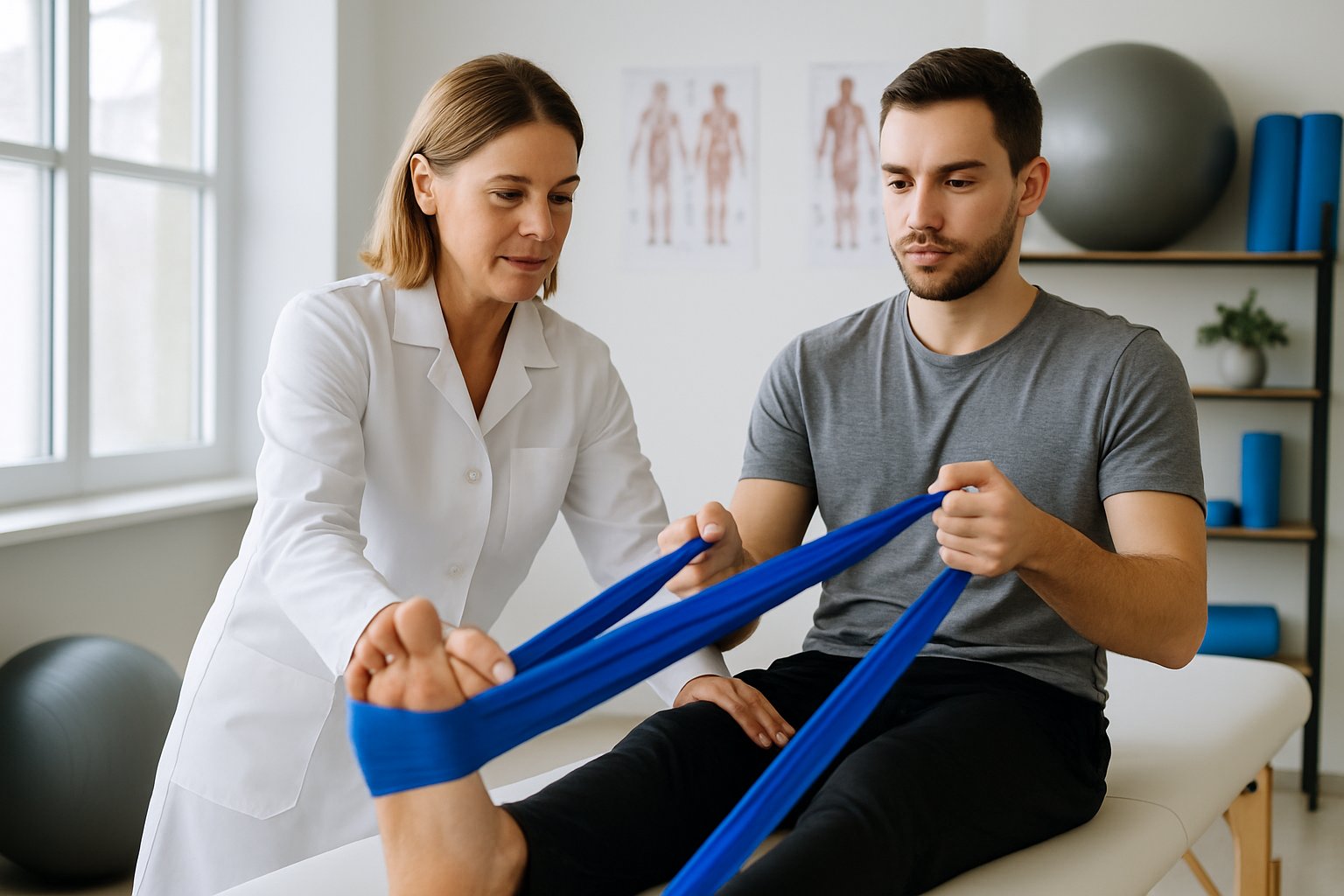
Physiotherapists are licensed healthcare professionals who assess movement problems, diagnose physical conditions, and create treatment plans to restore function. We go through specialized education and often work with other medical professionals to cover all the bases for patient care.
Qualifications and Training
To become a physiotherapist, I have to complete a lot of education and training. Most programs need a bachelor’s degree first, then a master’s or doctoral degree in physiotherapy or physical therapy.
The typical path is four years of undergrad—anatomy, biology, chemistry, physics, the works. After that, it’s two or three more years in a professional program.
During training, I learn about:
- Human anatomy and physiology
- Movement analysis and biomechanics
- Disease processes and pathology
- Treatment techniques and methods
- Patient communication
Clinical placements are a huge part. I get real-world practice in hospitals, clinics, and rehab centers under supervision.
After graduating, I have to pass a national licensing exam. Continuing education is ongoing—there’s always new research and treatments to keep up with.
Assessment and Diagnosis
My main role is to thoroughly assess patients’ physical conditions. I start with a detailed medical history—symptoms, past injuries, and what you can or can’t do right now.
During the exam, I check muscle strength, joint movement, balance, and coordination. I look at posture, how you walk, and how you handle daily activities.
Assessment and identification means digging into movement problems with specific tests. I use these findings to make a clinical judgment about your situation.
Once I’ve gathered enough info, I create a diagnosis that explains what’s going on. I figure out which areas are affected and how badly.
Then I develop a treatment plan with clear goals. I check in regularly and adjust the plan as you make progress.
Interdisciplinary Collaboration
I work closely with other healthcare pros to make sure patients get the best care. This team approach covers every angle.
Doctors, nurses, occupational therapists, and social workers are common teammates. Each brings something different to the table.
Physiotherapists can operate as part of a health team or solo. I might get referrals from doctors, other professionals, or patients themselves.
In hospitals, I join team meetings to talk through patient cases. I share my findings and suggest treatment ideas.
I make sure my treatments fit with what others are doing. If I’m working on similar skills as an occupational therapist, we coordinate. If a patient needs something outside my scope, I refer them to the right person.
How Physiotherapy Works
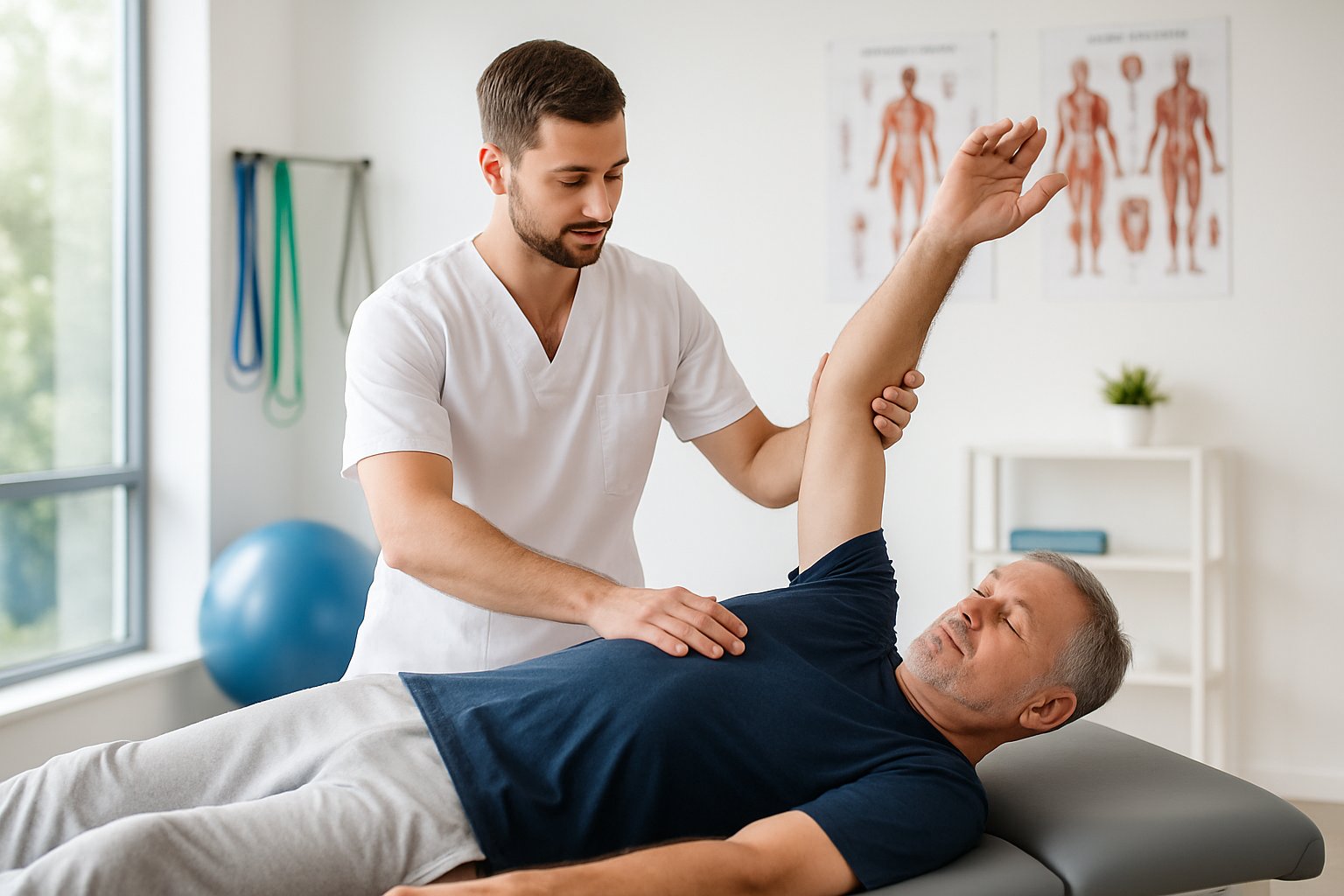
Physiotherapy follows a pretty organized process—starting with a detailed assessment, then moving through a custom treatment plan, and keeping track of progress along the way.
Patient Evaluation Process
My first evaluation sets the stage for successful physiotherapy. I review your medical history—old injuries, surgeries, meds, current symptoms, all of it.
During the physical assessment, I check your range of motion, muscle strength, balance, and coordination. I also look at posture and how you move in daily life.
Pain assessment is a big part. I use pain scales and try to figure out what movements make things worse.
Depending on your issue, I do special tests. For back pain, maybe nerve tests. For shoulder injuries, I check joint stability and muscle function.
The whole evaluation usually takes about an hour or so. I document everything to set a baseline for your progress.
Developing a Personalized Treatment Plan
Based on what I find, I put together a personalized treatment plan that fits your needs and goals. Your medical history shapes which techniques I pick.
I set short-term goals, like reducing pain by a certain amount in a couple of weeks. Long-term goals focus on getting you back to work, sports, or whatever matters most.
Treatment plans often mix:
- Manual therapy (joint mobilization, for example)
- Exercises for strength and flexibility
- Education on posture and movement
- Heat, cold, or electrical therapies if needed
I always consider your lifestyle and job demands. The advice for someone at a desk job won’t match what a construction worker needs.
How often you come in depends on how severe your condition is. Acute injuries might need two or three sessions a week, while chronic issues could mean once a week.
Monitoring Progress and Outcomes
I track your progress with objective tests—range of motion, strength, pain levels. Every couple of weeks, I reassess to see how things are going.
If you’re improving, I’ll ramp up the exercises or shift focus. What starts out as basic mobility might turn into more strength or sport-specific training.
Your feedback matters a lot. If you’re struggling with pain or an exercise feels off, I want to hear it.
I use standardized outcome measures for your specific issue—like the Neck Disability Index for neck pain, or hop tests for knee problems.
I document your progress for insurance and to show how effective the treatment is. That’s helpful if you need more sessions covered.
Core Physiotherapy Techniques
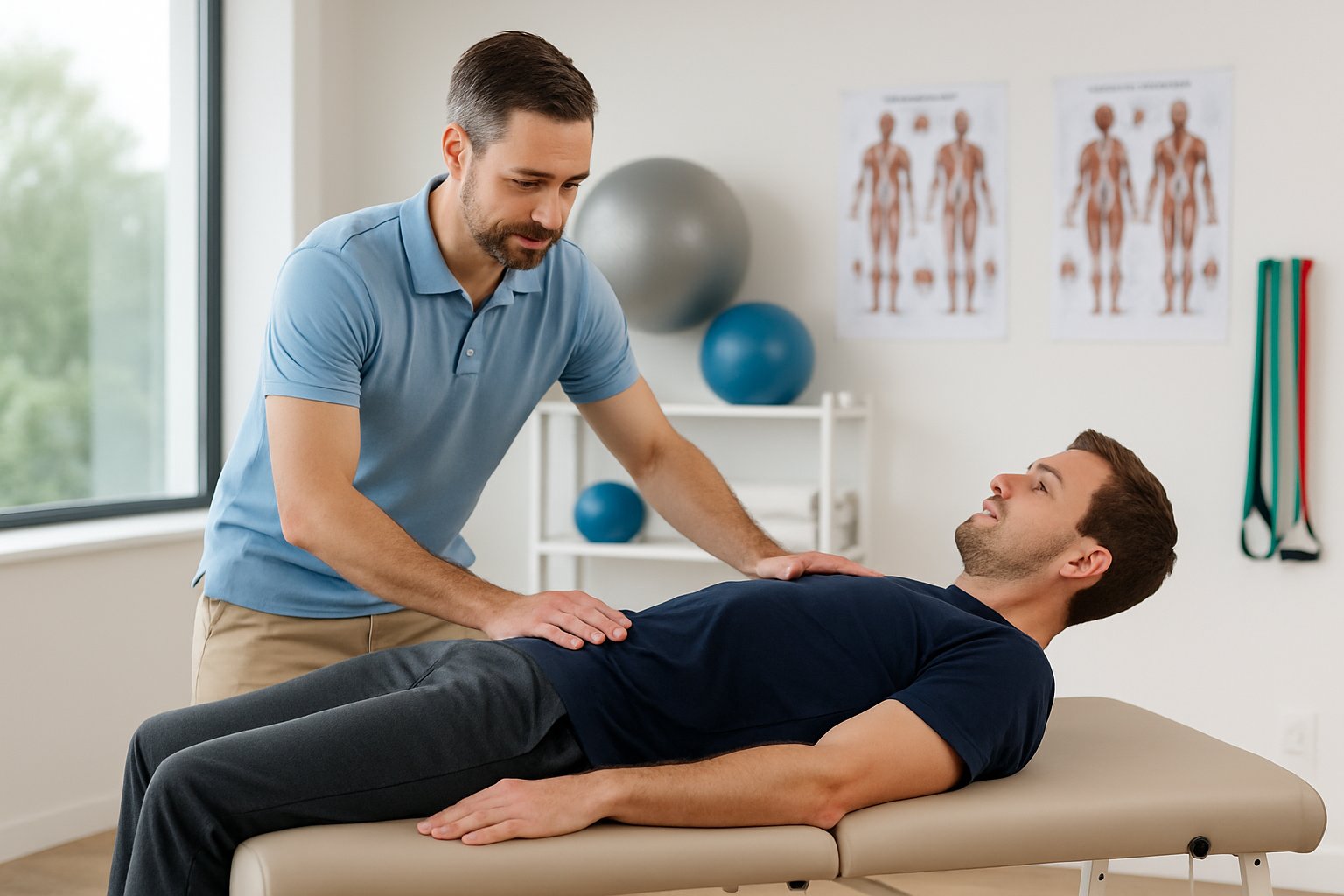
Physical therapy brings together hands-on treatments, targeted exercises, flexibility work, and sometimes special equipment. These methods work together to tackle movement problems and help you recover or manage chronic issues.
Therapeutic Exercises
Therapeutic exercises are the backbone of most physiotherapy plans. I use these to build strength, endurance, balance, and coordination, tailored to what each person actually needs.
Strength training targets weak muscles—using bands, weights, or just body weight. That could mean squats for legs or shoulder squeezes for your upper back.
Endurance exercises help you rebuild stamina after injury or illness. Balance and coordination drills are key for preventing falls and getting back to daily life.
Simple stuff like standing on one foot or walking heel-to-toe can make a big difference. I usually start easy and then make things more challenging as you improve.
Range of motion exercises keep joints flexible or help restore lost movement. Sometimes you move the joint yourself; other times, I help move it for you.
Core principles of physiotherapy are all about evidence-based, individualized exercise plans.
Manual Therapy and Massage
Manual therapy means hands-on techniques to treat pain and movement problems. I use my hands to apply pressure, move joints, and work on soft tissues to help you feel and move better.
Joint mobilization uses gentle, rhythmic movements to restore joint motion. I pick how much movement to use based on your pain and how your body responds.
Soft tissue massage targets muscles, tendons, and ligaments. Deep tissue work can break up scar tissue or chronic tension, while Swedish massage is more for relaxation and circulation.
Trigger point therapy focuses on stubborn muscle knots. Myofascial release tackles tightness in the tissue surrounding muscles. I apply steady pressure to loosen things up—especially helpful for chronic pain.
Manipulation uses quick, precise movements to restore joint function. I only use these when it’s really needed.
Stretching and Mobility Enhancement
Stretching and mobility work are all about easing tight muscles and stiff joints. I mix up techniques depending on what you can handle.
Static stretching means holding a stretch for 15–60 seconds. This works well for hamstrings, hip flexors, or shoulders. I show you how to do it safely.
Dynamic stretching uses movement—like leg swings or arm circles—to get muscles ready for action. These are better before activity than static stretches.
PNF (proprioceptive neuromuscular facilitation) stretching mixes stretching with muscle contractions. For example, contract-relax involves tightening a muscle, then relaxing and stretching it further.
Joint mobility drills—like shoulder circles or knee bends—help keep joints healthy and prevent stiffness. I usually build these into your routine as things progress.
Physical Modalities and Assistive Devices
Physical modalities use different forms of energy to help healing and ease pain. I pick modalities based on the patient’s needs, treatment goals, and how they respond to therapy.
Heat therapy boosts blood flow and loosens tight muscles. Hot packs, paraffin baths, and ultrasound all deliver heat to sore areas.
Heat works best for chronic problems or muscle tension. Cold therapy, on the other hand, calms swelling and numbs pain.
Ice packs, cold baths, and cryotherapy help with fresh injuries or soreness after exercise. I usually suggest 15-20 minute sessions.
Electrical stimulation delivers controlled currents to either reduce pain or make muscles contract. TENS units are great for pain relief, while muscle stimulation helps keep muscles active during immobilization.
Assistive devices let patients stay independent and safe while they heal. Crutches, walkers, and canes give stability and take pressure off injuries.
Braces and supports shield healing tissues but still allow some movement. Modern physiotherapy techniques keep evolving as new tech and research keep rolling in.
Conditions Treated with Physiotherapy

Physiotherapy tackles all sorts of muscle and bone injuries—think back pain, arthritis, and recovery after surgery. It also helps with brain and nerve disorders like Parkinson’s disease.
Treatment always depends on what the condition needs and what the patient wants from recovery.
Musculoskeletal Disorders
I treat a huge range of muscle, bone, and joint problems. These issues affect millions and can really limit movement and cause pain.
Back pain comes up constantly in my practice. Nearly 80% of adults deal with it at some point.
I use exercises to strengthen core muscles and help align the spine. Manual therapy eases muscle tension and restores joint movement.
Heat and cold therapy add another layer of pain relief while healing. Arthritis is another big one—over 54 million adults live with joint inflammation and stiffness.
I build gentle exercise programs to keep joints flexible but avoid further damage. Arthritis management leans on careful movement and building strength around sore joints.
Water-based exercises are especially helpful for arthritis. The buoyancy takes the load off while letting people move fully.
Sports injuries—sprains, strains, fractures—need their own rehab plans. I check how bad the injury is and create step-by-step programs to get patients back to their activities safely.
Neurological Conditions
I work with folks dealing with brain and nerve disorders that mess with movement and coordination. These cases need special approaches aimed at retraining the nervous system.
Parkinson’s disease affects over a million Americans. It leads to tremors, stiffness, and balance trouble.
I use exercises that target these symptoms and try to keep people moving as the disease progresses. Gait training helps Parkinson’s patients walk more safely and confidently.
I teach ways to cut down on freezing episodes and improve movement quality. Stroke recovery means relearning basic movements and functions.
I guide patients through exercises that help the brain create new pathways. Balance training is huge for neurological patients—fall risk is always a concern.
I use different tools and exercises to challenge balance in safe ways. Multiple sclerosis patients need fatigue management plus gentle strength work.
I adjust how hard we push based on symptoms and energy levels. Spinal cord injuries call for comprehensive rehab.
I focus on making the most of remaining function and teaching adaptive techniques for daily life.
Post-Surgical Rehabilitation
I help patients bounce back from surgery with structured rehab programs. Early movement and the right healing techniques help prevent complications and speed things up.
Joint replacements need specific protocols to protect new hardware and restore function. I guide patients through safe movement at each stage of healing.
Hip and knee replacements require careful steps from basic moves to full weight-bearing. I keep an eye on healing and tweak exercises as needed.
Amputation recovery means learning to use prosthetics well. I work on balance, strength, and coordination for successful use.
Post-surgery rehabilitation really needs a personalized approach, depending on the exact procedure. I teach proper walking and help patients adjust to their new reality.
Phantom pain management is often part of the plan. Cardiac surgery patients need slow, steady exercise to rebuild heart fitness.
I watch heart rate and breathing to avoid pushing too hard. Respiratory exercises clear the lungs and help prevent pneumonia after chest surgeries.
Deep breathing and gentle moves support healing and keep lungs working.
Benefits of Physiotherapy
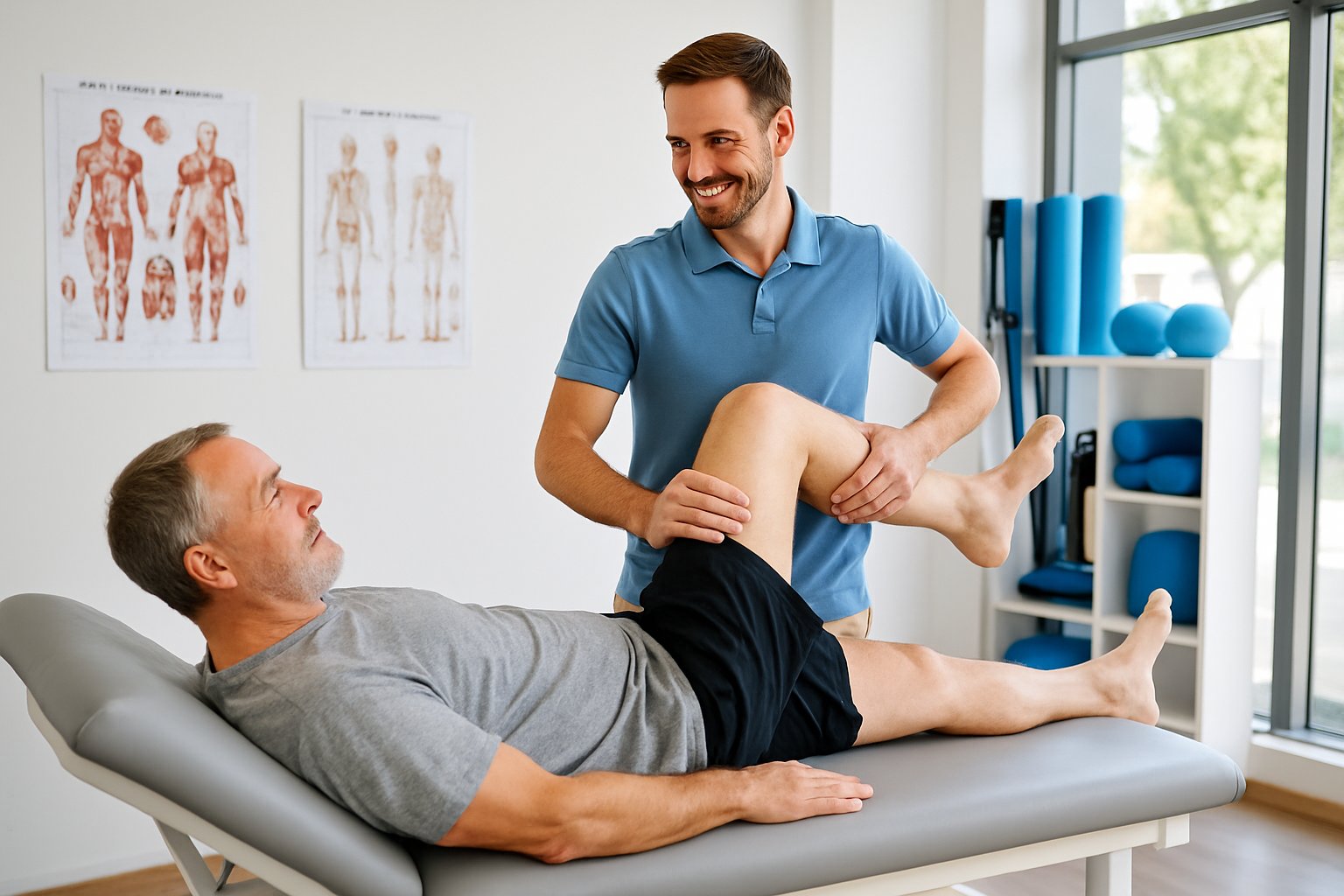
Physiotherapy brings real improvements in pain relief, restoring lost abilities, and stopping future problems. These treatments don’t just fix symptoms—they help with long-term goals, too.
Pain Reduction and Symptom Management
In my experience, pain relief is one of physiotherapy’s biggest upsides. Manual therapy goes straight to the pain source with hands-on techniques.
Therapeutic exercises build up muscles that support injured areas and cut down on strain. This combo tackles both the pain and the weakness underneath.
Electrotherapy like TENS units gives extra pain relief. These gadgets use electrical signals to block pain from reaching the brain.
Most patients notice a real drop in pain after just a few sessions—usually 3-5. Mixing manual work, exercises, and education covers all the bases.
Common pain management techniques:
- Manual therapy and soft tissue work
- Targeted strengthening
- Heat and cold applications
- Electrical stimulation
- Breathing and relaxation skills
Chronic pain problems like arthritis and fibromyalgia often respond well to steady physiotherapy. The goal is to manage symptoms while keeping up with daily life.
Restoring and Improving Function
Restoring physical function is at the heart of physiotherapy. I help patients rebuild movement, strength, and coordination lost to injury or illness.
Rehab programs zoom in on specific problems using step-by-step exercises. Sometimes that’s balance training for fall prevention, or gait work after a stroke.
Range of motion exercises bring back joint flexibility. Strengthening rebuilds muscle power.
The two together help patients get back mobility and stability for day-to-day living.
Key functional areas:
- Walking and moving around
- Climbing stairs
- Balance and coordination
- Lifting and carrying
- Fine motor skills
Neurological rehab needs special approaches for things like MS or Parkinson’s. The focus is on making the most of what remains and finding workarounds for limits.
After surgery, rehab follows a plan that respects healing timelines but still pushes for the best recovery. Starting early often leads to faster, fuller results.
Prevention of Future Injuries
Preventing injuries is a huge part of physiotherapy. I look for movement habits and muscle imbalances that put people at risk.
Strength training targets weak spots that can’t support joints well. Flexibility work loosens up tight tissues that block normal movements.
Teaching proper body mechanics helps patients change daily habits to avoid injury. That might mean better posture at work, safer lifting, or smarter sports moves.
Prevention strategies include:
- Corrective exercises
- Posture and ergonomic tips
- Sport-specific conditioning
- Balance and proprioception work
- Movement pattern correction
I’ve seen patients who stick to prevention programs have much lower reinjury rates than those who just treat symptoms. Putting in the effort up front saves money and helps keep life on track.
Regular movement checks catch issues before they turn into pain or bigger problems. That early catch makes a difference.
Accessing Physiotherapy Services
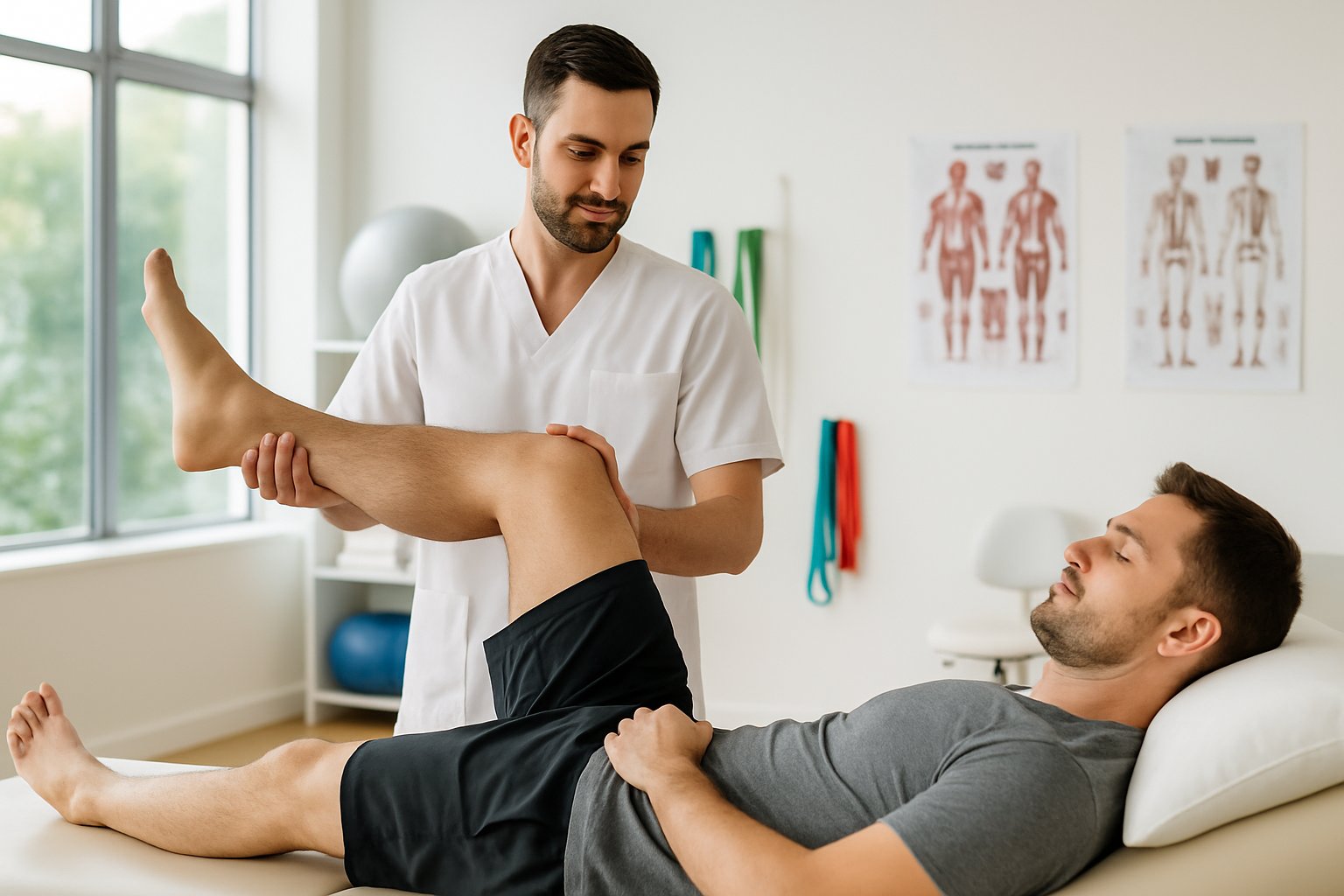
Getting physiotherapy means picking the right provider, deciding between in-person or virtual care, and figuring out insurance. These days, lots of people can see a physiotherapist directly without a doctor’s referral, depending on where they live.
Finding a Qualified Physiotherapist
When I look for a physiotherapist, I always check their credentials and license first. Licensed physiotherapists finish master’s programs and pass national exams.
I can check licenses on my state’s board website. This tells me if their license is current and if they’ve had any issues.
Experience matters, too. I try to find someone who sees my kind of problem regularly.
A sports injury specialist might not be the best fit for my back pain. I ask my doctor, friends, or family for referrals.
Online reviews help me see what other patients think of a clinic. Location and flexible hours matter—nobody wants a long commute or impossible scheduling.
In-Person vs. Virtual Physiotherapy
In-person physiotherapy means hands-on treatments like manual therapy and joint mobilization. My physiotherapist can watch my movements and posture up close.
Virtual physiotherapy works for exercise coaching and movement checks. I can do exercises at home while my therapist watches and gives tips over video.
Some cases really need in-person care. Post-surgery rehab and tough injuries usually need hands-on work you just can’t do virtually.
Virtual sessions are convenient and save travel time. I cut down on gas and parking costs but still get expert advice.
Many clinics now mix both approaches. I might go in for the first assessment and then switch to virtual for follow-ups.
Understanding Health Insurance Coverage
Most health insurance covers physiotherapy if it’s medically needed. I check my plan to see what’s covered and what my copay will be.
Sometimes my insurance wants prior authorization before starting therapy. Some plans need a doctor’s referral, but others allow direct access to physical therapy.
Plans often limit the number of visits per year—usually somewhere between 12 and 20. If I go out-of-network, I pay more out of pocket.
Sticking with in-network providers keeps my costs down. I always call my insurance before my first visit to avoid surprise bills and plan my budget.
Frequently Asked Questions
Physiotherapy uses different techniques for a variety of conditions. Sticking to regular sessions is key for good results, and you should always check your therapist’s credentials. Tracking progress and doing home exercises matter a lot for recovery.
What conditions can physiotherapy effectively treat?
I help patients with musculoskeletal, neurological, and cardiovascular problems. Physiotherapists treat back pain, neck pain, arthritis, sports injuries, and post-surgery recovery.
Neurological conditions like stroke, MS, and Parkinson’s respond well to physiotherapy. I also work with people recovering from spinal cord and brain injuries.
Cardiac rehab is a big part of my work, too. Patients with heart disease, COPD, or after heart surgery benefit from tailored exercise programs.
Women’s health issues—pelvic floor problems, pregnancy pain, and post-partum recovery—also get targeted physiotherapy.
How often should I attend physiotherapy sessions for optimal results?
Most people come in 2-3 times a week at first. Acute injuries usually need more frequent visits, while chronic issues can often get by with less.
How long you need treatment depends on the injury and your goals. Simple muscle strains might clear up in 4-6 weeks, but big surgeries can take 3-6 months of rehab.
I change session frequency as patients heal. Early on, we focus on pain and mobility.
As things improve, we shift to strength and function. Eventually, sessions space out—maybe from twice a week to once a week, then to monthly check-ins.
What types of treatment methods do physiotherapists use?
Manual therapy is a big part of many plans. I use joint mobilizations, soft tissue work, and sometimes spinal adjustments to get things moving right.
Therapeutic exercises target weak or tight muscles and fix movement problems. That might mean strengthening, stretching, or balance training.
Modalities like ultrasound, electrical stimulation, and heat or cold help manage pain and swelling. Physiotherapists may also use acupuncture and other special techniques.
Education always plays a huge role. I teach patients about their conditions, safe movement, and ways to prevent future injuries.
Can I perform physiotherapy exercises on my own at home?
Home exercise programs can really boost recovery when paired with in-clinic treatments. I usually prescribe specific exercises that fit each person’s condition and ability.
Safety comes first. I always give detailed instructions and show proper form for anything I recommend at home.
Some exercises just aren’t meant for solo practice. Advanced strengthening or manual therapy techniques? Those need my direct supervision, no question.
We need to keep in touch about your progress. I tweak home programs based on what you tell me and how your symptoms or abilities change.
What credentials should a qualified physiotherapist hold?
Licensed physiotherapists have to finish a lot of education. That means an undergraduate degree and then a Master’s program, which takes about two years and includes over 1,000 clinical hours.
Every practicing physiotherapist registers with their provincial regulatory college. They also have to pass two big exams before working independently.
Ongoing education keeps physiotherapists up to date. Many go after extra certifications in areas like sports medicine or manual therapy.
Honestly, I always suggest checking credentials through the public registry. You can see someone’s current license status and any restrictions or history there.
How do I measure progress during my physiotherapy treatment?
Objective measurements help me track how you’re doing over time. I’ll use range of motion tests, strength checks, and some standardized questionnaires to see how things change.
Pain levels tell us a lot too, but only if we measure them the same way each time. I usually go with simple number scales and ask you about pain during different activities.
Functional goals really matter. Maybe you want to climb stairs without wincing, get back to your favorite sport, or just handle work tasks without aching.
Every two to four weeks, I’ll reassess things. If you’re not moving forward or your goals shift, I’ll tweak the plan accordingly.
