The Real Struggles of Home Building
The 5 REAL Struggles of Building a Home
What Every First-Time Builder Needs to Know
Building a home represents one of the most significant investments and personal projects most people will ever undertake. While the vision of creating your perfect living space can be exciting, the reality involves navigating a complex web of financial, regulatory, and logistical challenges that can quickly turn dreams into stressful experiences.
The construction process presents real obstacles that go far beyond simple design decisions, from managing escalating costs and lengthy approval processes to coordinating reliable contractors and securing appropriate financing.
Understanding these challenges before breaking ground helps us prepare for the realities of home construction problems and develop strategies to overcome them. We’ll explore the personal impact these struggles can have and provide practical approaches for adapting when unexpected issues arise during your build.
1) Skyrocketing construction costs
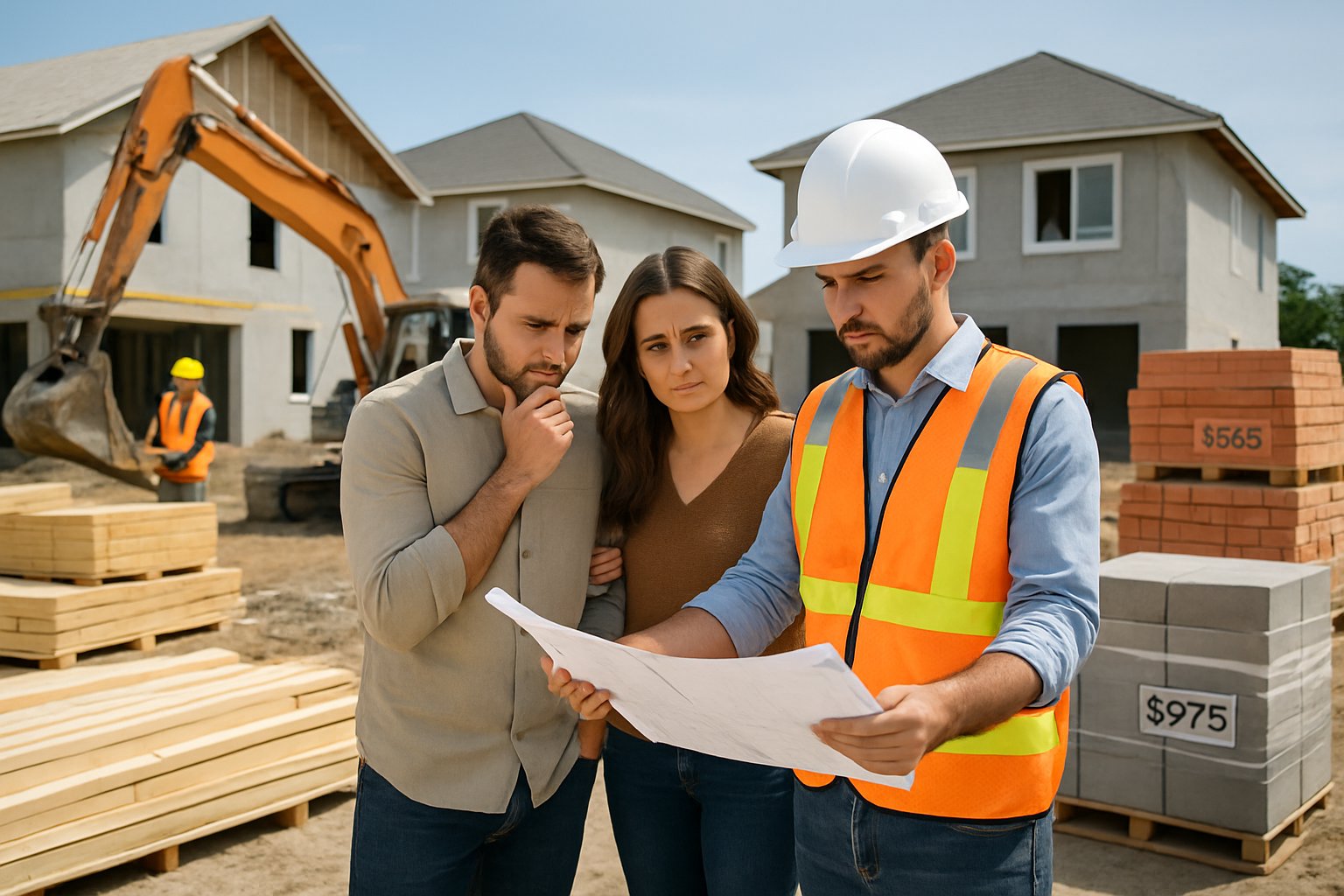
Building costs have reached record highs. We’re seeing prices that make even simple home projects feel impossible to afford.
Construction costs have surged 51% since the pandemic began. This massive jump affects every part of home building from the foundation to the roof.
Material prices are one of the biggest problems. Lumber, steel, and concrete all cost much more than they used to. We’re paying prices that seemed unthinkable just a few years ago.
Labor shortages make things even worse. There aren’t enough skilled workers to meet demand. When workers are scarce, their wages go up and projects take longer.
Supply chain problems add another layer of cost. Materials arrive late or not at all. We end up paying rush fees or storing materials longer than planned.
Building a basic home that should cost $300,000 might now jump to $330,000 before any upgrades. That’s an extra $30,000 just because of rising material costs.
Development charges and regulatory fees create hidden costs that catch many people off guard. These fees can add thousands to a project without warning.
The math is simple but painful. Higher costs mean fewer people can afford to build. Those who do build often have to cut corners or delay their projects. We’re stuck in a cycle where everything costs more but quality expectations stay the same.
2) Delays due to regulatory approvals
Getting permits and approvals is one of the biggest headaches we face when building a home. The process takes much longer than most people expect.
Municipal approval processes can drag on for months or even years. We often submit our plans only to wait weeks just to hear back from local officials.
The problem gets worse when regulations change during our project. What was approved last month might need new permits this month because rules shifted.
Lengthy approval timelines extend far beyond what we initially plan for. This creates a domino effect that pushes back our entire construction schedule.
Safety assessments are necessary but they add significant time to our timeline. Each department must review and sign off on different parts of our project.
We also deal with understaffed permit offices that cannot keep up with demand. This means our applications sit in piles waiting for someone to review them.
The approval process often requires multiple rounds of revisions. We submit plans, get feedback, make changes, and then wait again for the next review cycle.
Some permits depend on other permits being approved first. We cannot move forward with electrical work until the building permit clears, which cannot happen until zoning approval comes through.
Regulatory hurdles affect every type of building project. The more complex our design, the longer we wait for all the necessary approvals to come through.
3) Difficulty finding reliable contractors
Finding trustworthy contractors has become one of the biggest headaches in home building. We often hear from homeowners who struggle to locate contractors who show up on time, stay within budget, and deliver quality work. Thankfully in Guelph, Ontario, Gateway Homes has proven to be a punctual and reliable home builder, garnering a growing number of happy clients in the local area.
The construction industry faces serious labor shortages right now. Many skilled workers left the field during recent economic changes. This means fewer qualified contractors are available to take on new projects.
Supply chain problems have made the situation worse. Contractors face challenges finding materials and managing costs. Many good contractors already have full schedules and turn away new clients.
We see contractors disappearing mid-project or failing to communicate properly. Some quote low prices to win jobs, then demand more money later. Others lack proper licenses or insurance coverage.
The problem affects everyone in construction. Real estate investors need reliable contractors to succeed. Property owners face delays and cost overruns when they hire the wrong people.
Smart homeowners spend extra time researching contractors before hiring. They check licenses, read reviews, and ask for references. We recommend getting multiple quotes and never paying large amounts upfront.
Building relationships with quality tradespeople takes time but pays off. Good contractors often refer other skilled workers they trust.
The shortage means we must be patient and selective. Rushing to hire the first available contractor usually leads to problems later.
4) Managing unexpected site issues
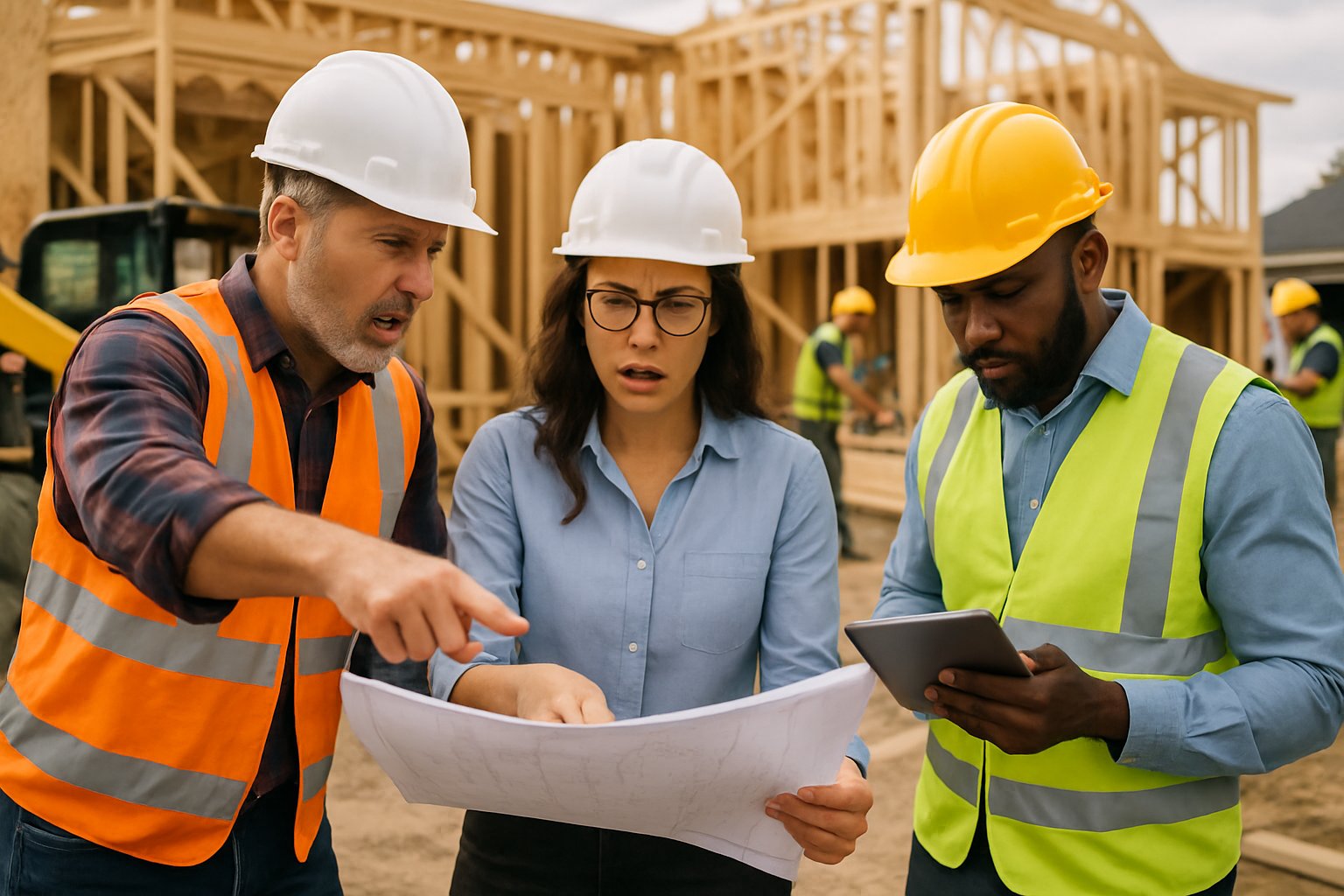
Site problems can appear out of nowhere during construction. We might discover poor drainage, contaminated soil, or underground utilities that weren’t marked on the original plans.
These unforeseen site issues can stop construction completely. Workers cannot continue building until we fix the problem.
Soil contamination requires special cleanup before any work can continue. This process can take weeks or months depending on how bad the contamination is.
Poor drainage means we need to install new systems or change the home’s design. Water problems can damage the foundation if we don’t fix them properly.
Hidden utility lines create safety risks and legal problems. We must relocate these lines or change our building plans to work around them.
Rock formations or unstable soil might require different foundation types. This change can add thousands of dollars to our budget.
We should always get a thorough site survey before starting construction. This survey can catch many problems early when they cost less to fix.
Having extra money set aside for site issues helps us handle these problems quickly. Most experts suggest adding 10-15% to our budget for unexpected costs.
Working with experienced contractors helps because they know how to deal with site challenges. They can often spot potential problems before they become major issues.
We should also check our insurance coverage to see what site problems it covers. Some policies help pay for certain types of unexpected site conditions.
5) Complex financing and high interest rates

Getting financing for a home build has become much harder than it used to be. We face a maze of loan requirements, paperwork, and approval processes that can take months to navigate.
Construction loans work differently than regular mortgages. We need to qualify for both the construction phase and the permanent mortgage. This double approval process creates more hurdles and potential points of failure.
High interest rates are making projects much more expensive to finance. When rates climb, our monthly payments increase significantly, sometimes making projects no longer affordable.
Many builders are postponing or canceling projects because high rates reduce profitability. We see fewer projects starting because developers cannot make the numbers work.
Construction loans typically have variable rates tied to prime. This means our costs can increase unexpectedly during the build process. We might start with one payment but end up with something much higher.
Banks have also tightened their lending standards. We need larger down payments, better credit scores, and more income verification than before. Getting approved takes longer and requires more documentation.
The timing of loan disbursements adds another challenge. We only receive funds as construction milestones are completed and inspected. This creates cash flow problems when contractors need payment before the next draw.
Some lenders have completely stopped offering construction loans. This limits our options and forces us to work with fewer, more expensive lenders who can charge higher rates and fees.
Understanding the Personal Impact of Homebuilding
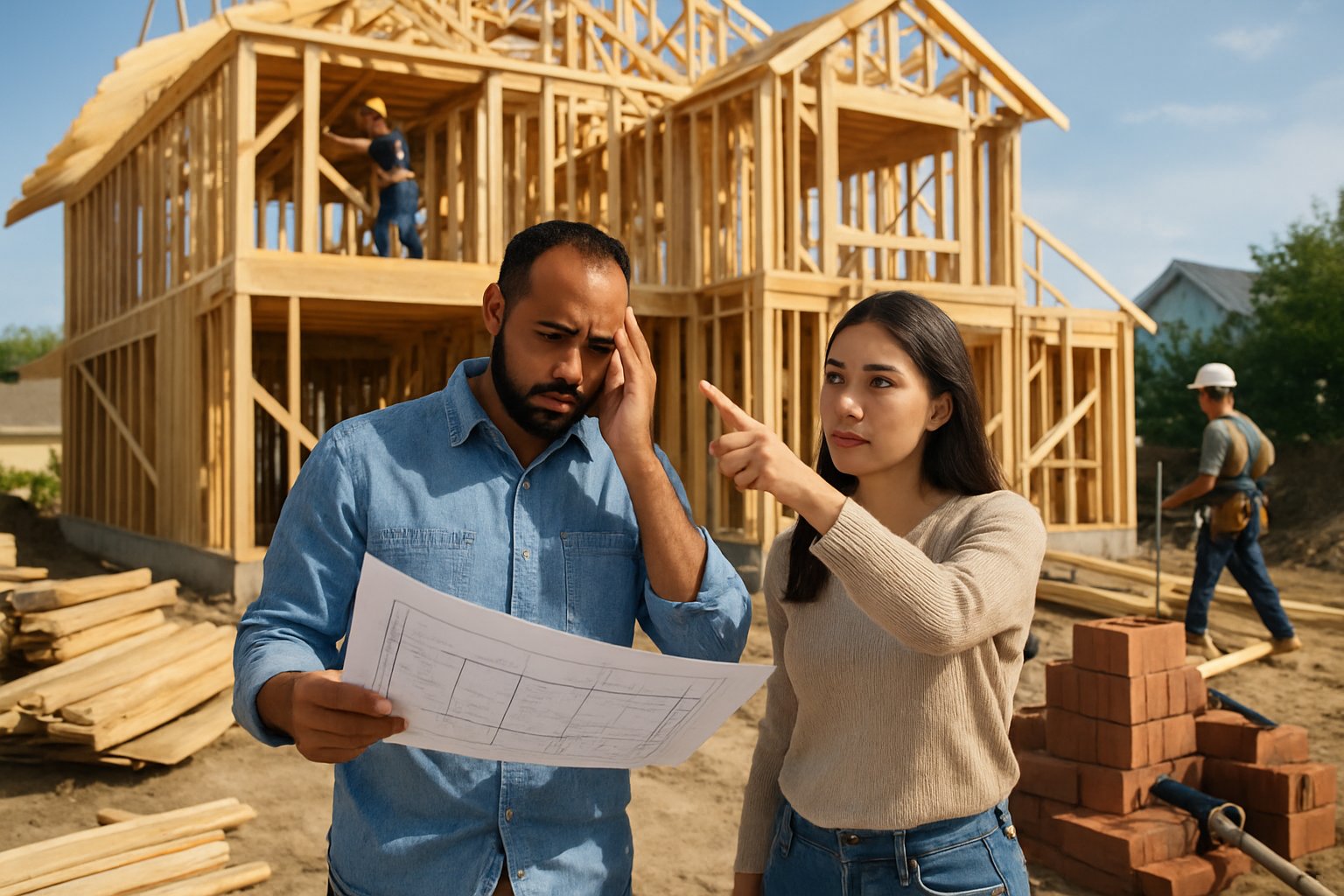
Building a home creates intense emotional pressure that affects every aspect of your life. The stress extends beyond financial concerns to impact relationships and daily routines in ways many families don’t expect.
Dealing With Emotional Stress
The emotional toll of homebuilding often catches families off guard. Building a home is stressful no matter how prepared you think you are.
Decision fatigue ranks among the most draining aspects of the process. We face hundreds of choices daily, from floor materials to light fixture placement. Each decision carries weight because changes later cost money and time.
Sleep disruption becomes common as construction timelines shift. Weather delays, permit issues, and material shortages create uncertainty that keeps us awake at night. The constant worry about budget overruns adds another layer of anxiety.
Many families experience a sense of lost control. Unlike buying an existing home, building involves countless variables outside our influence. Contractor schedules, city inspections, and supply chain issues all impact our timeline.
The stress intensifies when we realize the complexity of home construction requires constant attention. We must stay involved in every phase while managing our regular work and family obligations.
Effect on Family Dynamics
Homebuilding stress ripples through family relationships in unexpected ways. Couples often disagree on design choices that seemed minor during planning but become major sources of tension during construction.
Children feel the impact through disrupted routines and parental stress. Moving between temporary housing situations affects their stability. School commutes may change, and familiar spaces disappear during the building process.
Financial pressure creates additional strain on marriages. Cost overruns force difficult conversations about priorities and spending. We must make quick decisions about expensive changes while emotions run high.
Communication becomes critical but challenging when both partners feel overwhelmed. The vast number of decisions required during construction tests even strong relationships.
Extended family members often offer opinions about our choices, adding external pressure. Their well-meaning advice can create doubt about decisions we’ve already made and paid for.
Adapting to Unexpected Challenges During Construction
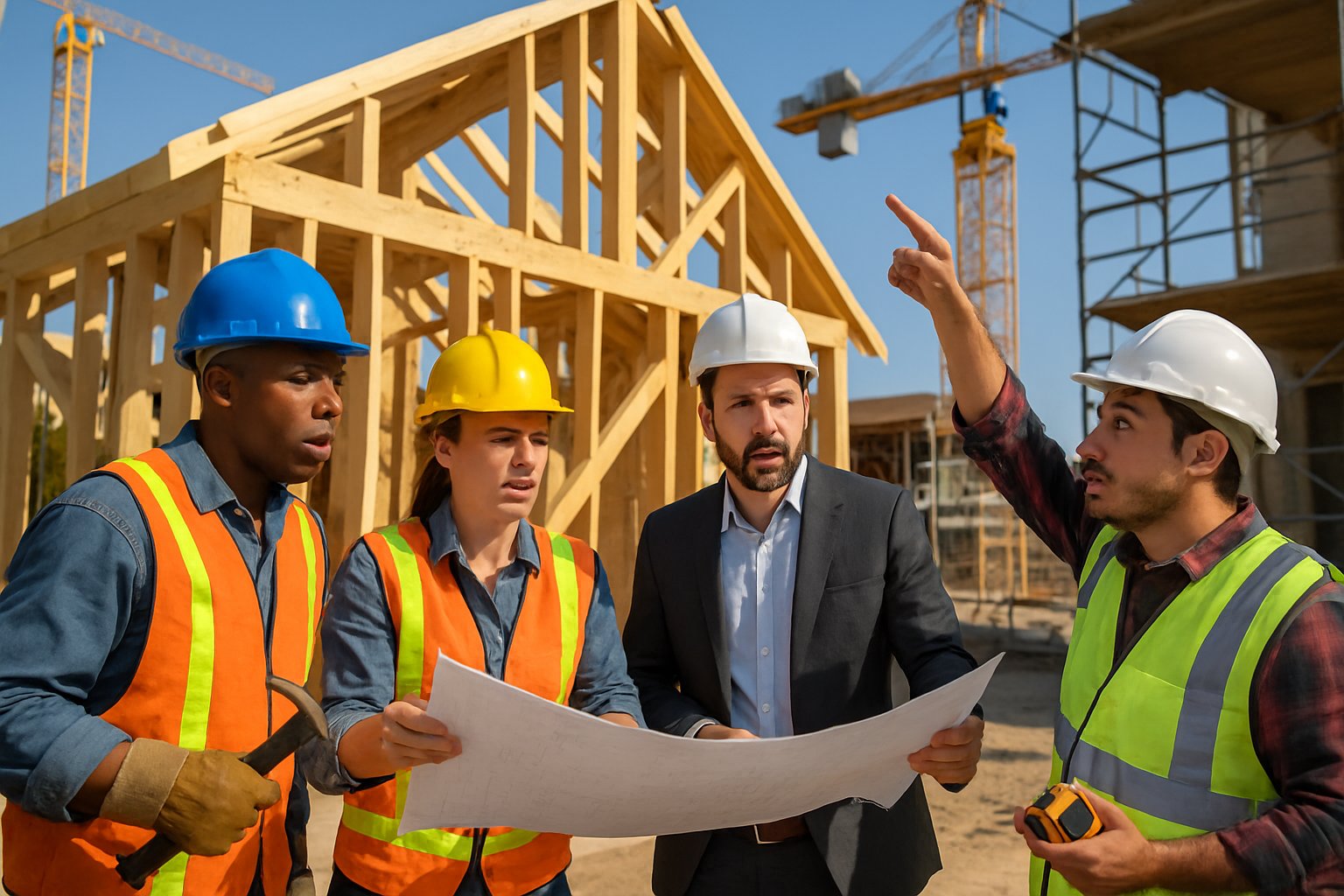
Construction projects rarely go exactly as planned, and successful adaptation requires clear communication channels and flexible project management. The ability to handle scope changes and maintain effective contractor relationships determines whether delays become minor setbacks or major problems.
Communication With Contractors
Establishing clear communication protocols from day one prevents small issues from becoming costly problems. We need daily check-ins during critical phases and weekly progress meetings throughout the entire build.
Most unexpected construction issues stem from poor information flow between homeowners and contractors. When problems arise, immediate notification allows for faster solutions.
Create a communication structure that includes:
- Primary contact person for each trade
- Regular progress photo updates
- Written change order procedures
- Emergency contact protocols
Document every conversation about changes or problems. This protects both parties and creates a clear record if disputes arise later.
Response time matters significantly. Contractors who wait days to report issues create bigger problems than those who communicate immediately when challenges emerge.
Navigating Changes to Project Scope
Project scope changes happen in 85% of construction projects, making flexibility essential for success. We must understand how changes affect timelines, budgets, and other work already completed.
Managing scope changes requires written documentation before any work begins. Verbal agreements lead to misunderstandings about costs and timelines.
Every scope change should include:
- Detailed description of new work
- Cost impact analysis
- Timeline adjustments needed
- Effect on other trades
Weather delays often trigger scope changes when exposed materials need protection or replacement. Site conditions may reveal issues that require design modifications or additional work.
Budget contingencies of 10-20% help absorb minor scope changes without derailing the entire project. Larger changes may require difficult decisions about priorities and trade-offs between features and budget limits.
Frequently Asked Questions
Building a home involves complex decisions about money, permits, contractors, timelines, and unexpected problems. These questions address the most challenging aspects that can derail construction projects.
What are the major financial challenges when constructing a new home?
Construction costs have risen dramatically over the past few years. Material prices can change weekly, making it hard to stick to budgets.
Interest rates on construction loans are typically higher than regular mortgages. We often see rates that are 1-2% above standard home loan rates.
Many builders require 20-30% down payments before starting work. This creates cash flow problems for families who still need to pay rent or mortgage payments on current homes.
Cost overruns happen on 80% of construction projects. We recommend adding 15-20% to budgets for unexpected expenses.
How do zoning laws and permits affect home building projects?
Local building codes create the biggest delays in construction. Navigating building codes requires expertise that most homeowners lack.
Permit approval can take 3-6 months in many areas. Some permits require multiple inspections before we can move to the next construction phase.
Setback requirements limit where we can place houses on lots. These rules often force expensive design changes after plans are complete.
Utility connections need separate permits and inspections. Water, sewer, and electrical hookups each have different approval processes.
What are the common pitfalls in selecting a reliable contractor?
Unlicensed contractors offer lower prices but create legal problems. We always verify licenses and insurance before hiring anyone.
Poor communication causes most contractor disputes. Contractors who don’t return calls or provide updates usually have other problems too.
Low bids often hide extra costs that appear later. Quality contractors price jobs accurately from the start.
Previous work quality tells us everything about contractor skills. We visit at least three recent projects before making decisions.
How does one effectively manage construction timelines and delays?
Weather delays are unavoidable but predictable. We plan for 2-3 weeks of weather delays during typical construction seasons.
Material delivery delays have become common since supply chain problems started. We order materials 4-6 weeks ahead of need dates.
Inspection delays happen when local building departments get busy. We schedule inspections as early as possible to avoid bottlenecks.
Change orders extend timelines more than any other factor. We freeze design decisions before construction starts to prevent delays.
What environmental considerations must be taken into account during home construction?
Soil conditions affect foundation costs and design. Poor drainage or unstable soil can add $10,000-30,000 to budgets.
Tree removal requires permits in many areas. Large trees near construction zones need protection or removal before work starts.
Water runoff rules control grading and drainage systems. We must direct water away from neighboring properties during and after construction.
Utility line locations determine excavation methods. Underground pipes and cables require careful digging to avoid expensive damage.
In what ways can unforeseen construction issues impact the budget and project scope?
Underground problems create the biggest budget surprises. Old septic systems, buried debris, or rock formations can cost thousands to address.
Structural problems in existing homes require immediate fixes. Load-bearing issues or foundation problems stop construction until resolved.
Code violations during inspections force expensive corrections. We might need to tear out completed work to meet current standards.
Material defects discovered during installation cause delays and extra costs. Warped lumber or damaged fixtures require replacement and rework time.
